 blog
Best Burg Health Alternatives in St. Petersburg
Table of Contents
- What to Look for in a Burg Health Alternative
- Choosing a Chiropractor After a Car Accident
- Chiropractor for Auto Accident Injuries in St. Petersburg
- St. Petersburg Chiropractic and Physical Therapy Options
- Massage Therapy for Accident Recovery
- Insurance, Pricing, and Payment Considerations
- Making Your Final Decision
- Frequently Asked Questions
Last Updated: October 5, 2026
What to Look for in a Burg Health Alternative
Most pages ranking for Burg Health alternatives are loosely related local wellness listings, not real comparisons, so you have to build your own shortlist criteria. Apply the framework below to any clinic you consider, chiropractic, physical therapy, pain management, or integrative wellness.
1. Scope of services
Ask what the clinic treats in-house versus refers out. A practice offering chiropractic care, physical therapy, and therapeutic massage under one roof can coordinate your plan without shuttling you between offices. A single-modality clinic may still be excellent, but know upfront whether you will need a second provider for rehabilitation or soft-tissue work.
2. Care model
There are three common models you will encounter:
- Symptom-based care, treatment aimed at relieving the current complaint, often with a short course of visits.
- Corrective or rehabilitative care, a longer plan that pairs hands-on treatment with exercise and movement retraining.
- Maintenance or wellness care, ongoing visits intended to preserve function after the acute issue resolves.
None is inherently better; the right model depends on whether you are weeks out from an injury or years past it. Ask each clinic which model it defaults to and how it decides when to transition you between them.
3. Provider credentials and licensure
Credentials are where general wellness services and medical care diverge:
- Chiropractors hold a Doctor of Chiropractic (DC) degree and are licensed by the state.
- Physical therapists typically hold a Doctor of Physical Therapy (DPT) degree and are licensed by the state.
- Massage therapists are licensed at the state level and may hold additional certifications in modalities such as myofascial release or sports massage.
- Physicians (MD or DO) are the only providers who can prescribe medication and order certain diagnostic imaging.
When you call, ask who will actually treat you, what license they hold, and how many years they have practiced. A clinic that answers directly takes qualifications seriously; one that deflects is a signal.
4. Assessment process
A thorough first visit includes a health history, a physical or orthopedic exam, and a written plan of care with expected visit frequency. A long treatment package proposed before examining you is a red flag. If the clinic cannot say what improvement should look like at two and six weeks, ask why.
5. Documentation and coordination
If your care relates to an injury claim, ask how the clinic documents findings, progress, and functional improvement, and whether it shares records with your other providers. Coordinated documentation matters clinically and administratively.
6. Cost transparency
Before your first appointment, ask for the self-pay rate for an initial visit and a follow-up, whether the clinic bills insurance, and whether it offers payment plans. You should get a straight answer on the phone.
7. Patient fit
Finally, match the clinic to your actual need. Pain and injury care, preventive medicine, diagnostic testing, and holistic wellness are different categories with different provider types. If you have red-flag symptoms, numbness, weakness, loss of bladder or bowel control, or pain after significant trauma, see a physician or go to an emergency department before booking any wellness provider.
A note on this guide
This article compares alternatives by service scope, care model, credentials, cost, and patient fit. It does not rank clinics by popularity or include competitor pricing, which changes and varies by case. Use the criteria above to evaluate whichever clinics you consider.
Choosing a Chiropractor After a Car Accident
The weeks immediately after a car accident are critical. Choosing a chiropractor depends on understanding what you need in those early days.
A chiropractor trained in accident injury assessment can identify hidden damage that standard imaging sometimes misses. They understand impact trauma biomechanics and know which injuries respond to early intervention and which need a slower approach.
When evaluating a chiropractor, ask about their experience with auto accident injuries: how many cases they have treated, their typical treatment timeline, whether they coordinate with other providers, and whether they work with insurance companies.
Chiropractor for Auto Accident Injuries in St. Petersburg
A chiropractor for auto accident injuries in St. Petersburg needs expertise general practitioners may lack.
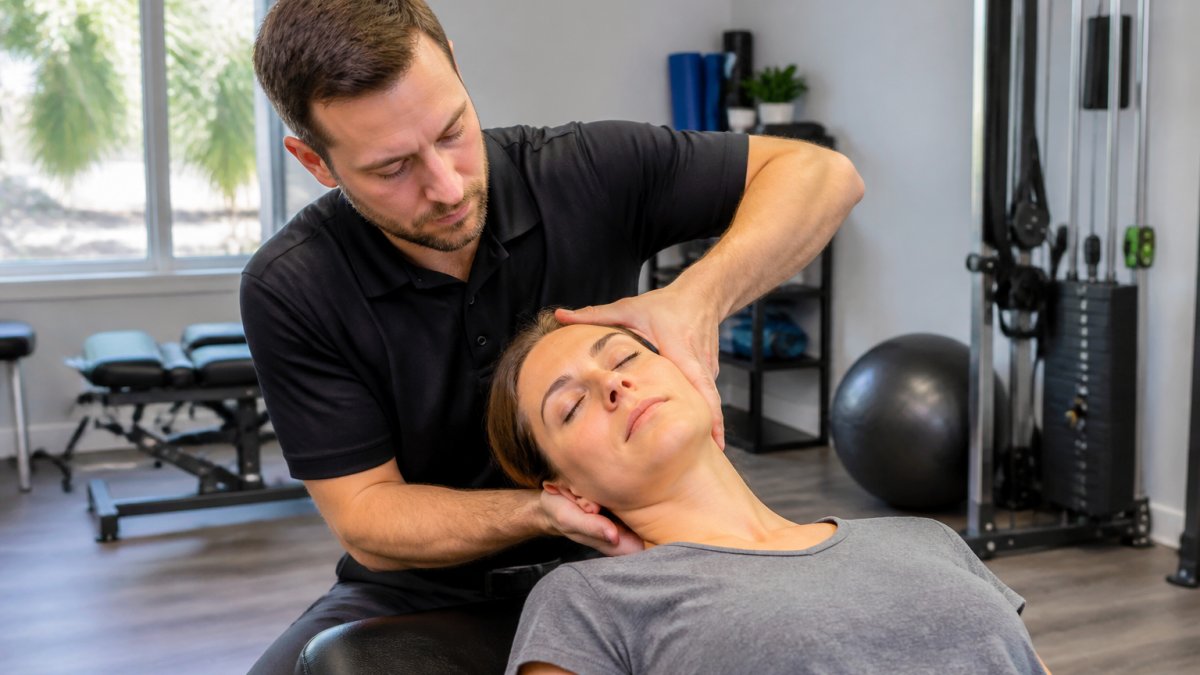
The best practitioners understand the full spectrum of accident-related conditions: whiplash, herniated discs, facet joint injuries, muscle strains, and concussions.
Family Chiropractic Plus provides expert chiropractic care, massage therapy, and comprehensive physical therapy to help patients achieve optimal health and well-being. Our dedicated team utilizes a variety of tools including manual adjustments and nutritional counseling to meet your specific needs.
St. Petersburg Chiropractic and Physical Therapy Options
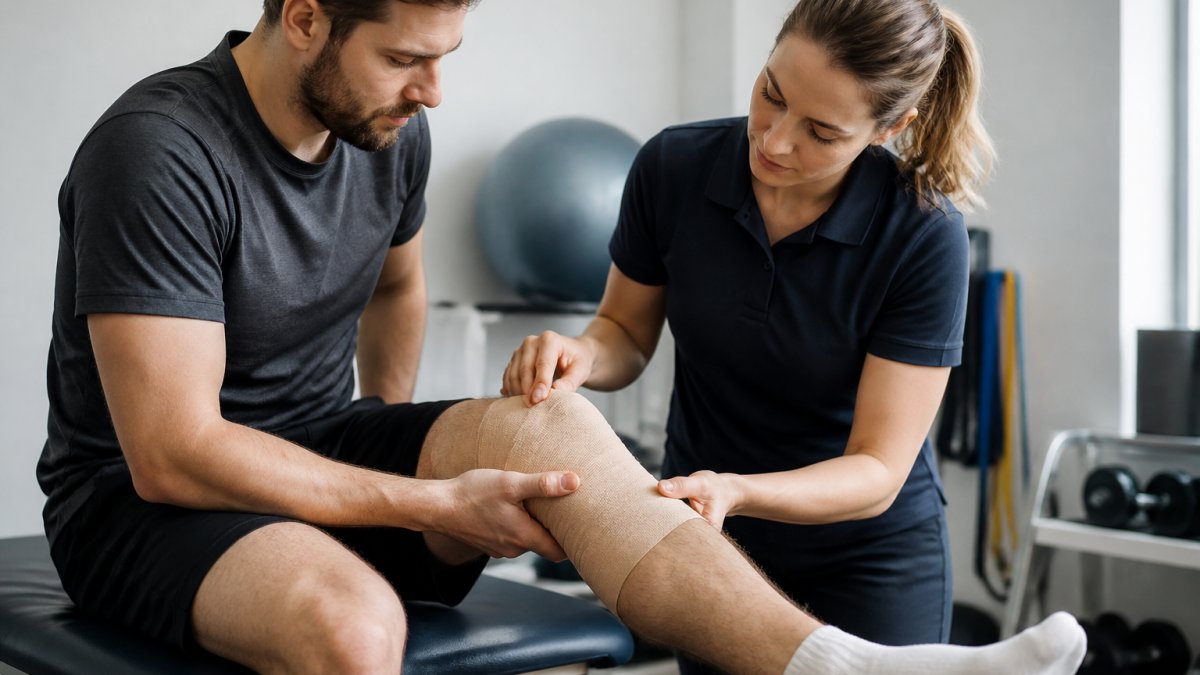
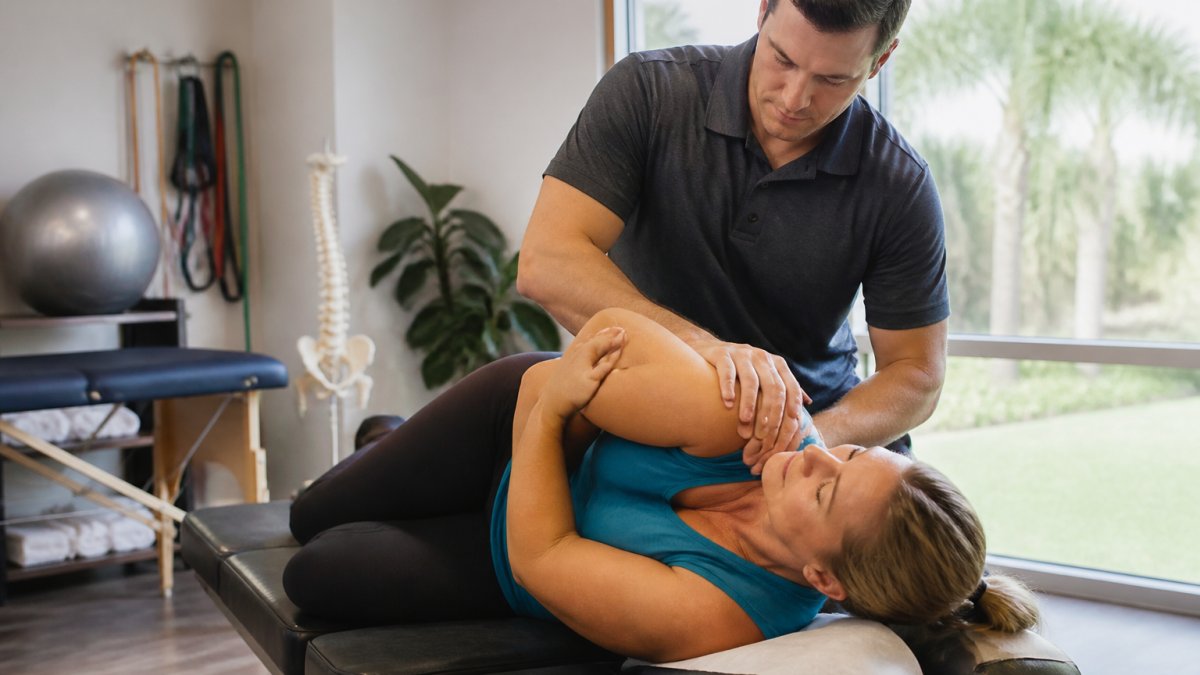
Chiropractic care combined with physical therapy is the gold standard for accident injury recovery. Adjustments restore alignment and reduce nerve compression; physical therapy rebuilds strength, restores range of motion, and retrains movement patterns.
When both disciplines work together at one clinic, recovery accelerates.
Look for clinics offering both services with practitioners who actively collaborate. Ask whether they hold joint treatment sessions where your chiropractor and physical therapist work together. That coordination separates exceptional clinics from average ones.
Massage Therapy for Accident Recovery
Massage therapy for accident recovery does far more than feel good. It addresses the muscle tension, scar tissue, and circulatory restriction that follow trauma.
A therapist trained in trauma recovery uses specific techniques to release protective muscle guarding, improve blood flow to injured tissues, and reduce inflammation. Combined with chiropractic adjustments and physical therapy, massage accelerates healing.
The best therapists have training in sports massage, myofascial release, or trauma-focused techniques, communicate with your other providers, and adjust accordingly. A massage that feels good but doesn't support your recovery plan is relaxation, not rehabilitation.
Insurance, Pricing, and Payment Considerations
Cost is the biggest gap in the pages ranking for this query. Almost none tell you what to ask, what the answers mean, or how payment structures differ. Here is the practical version.
The cost categories you will actually see
When you call a clinic, ask for the self-pay rate for each of these, because they are billed separately at most practices:
- Initial consultation and examination, usually a longer visit with a full history and physical or orthopedic exam.
- Follow-up treatment visit, typically shorter, and the rate often depends on the modalities used.
- Physical therapy session, may be billed per visit or per timed unit.
- Therapeutic massage, often priced by session length (for example, 30, 60, or 90 minutes).
- Diagnostic imaging or testing, X-rays, MRI referrals, or lab work, which may be billed by a separate facility.
Ask whether the quoted rate includes the exam, imaging, and take-home equipment or supplies. A low initial rate that excludes the exam is not a low rate.
Insurance terminology that changes your out-of-pocket cost
These terms determine what you actually pay, so get them in writing before your first visit:
- In-network vs. out-of-network, in-network providers have negotiated rates with your plan; out-of-network care usually costs more and may require prior authorization.
- Deductible, the amount you pay before your plan starts sharing costs.
- Copay vs. coinsurance, a copay is a flat dollar amount per visit; coinsurance is a percentage of the allowed charge.
- Visit limits, many plans cap the number of chiropractic or physical therapy visits per year or per condition.
- Prior authorization, some plans require approval before a course of care begins.
- Medical necessity documentation, plans often require progress notes showing functional improvement to keep paying for visits.
How auto injury claims differ
If your care relates to a motor vehicle collision, the payment path usually differs from a standard health plan. In many states, personal injury protection (PIP) pays for reasonable and necessary care after a crash, up to a policy limit, regardless of fault. Rules, limits, and deadlines vary by state, so confirm details with your insurer and, if needed, an attorney.
Two structures are common in injury care:
- Direct billing to the insurer, the clinic bills your auto carrier or health plan and you pay any deductible, copay, or non-covered balance.
- Letter of protection or lien arrangement, the clinic treats you now and is paid from the eventual settlement. This shifts the financial risk to the provider, so not every clinic offers it, and you should read the agreement carefully.
Questions to ask before you commit
- Do you bill my specific insurance plan, and are you in-network?
- What is the self-pay rate if my claim is denied?
- Do you require prior authorization, and who handles that paperwork?
- Do you offer payment plans, and is there any interest or fee?
- What happens if my visit limit is reached before my plan of care is finished?
- Will you provide an itemized statement I can submit to my insurer?
Discounts and special pricing
Some practices offer reduced rates for certain groups, such as military personnel, first responders, or self-pay patients who pay at the time of service. Ask directly whether any discount applies to you. If a clinic advertises a discount, confirm which services it covers and whether it stacks with insurance.
What to do if cost is the deciding factor
If two clinics are otherwise comparable, compare total expected cost for your full plan of care, not a single visit. A higher per-visit rate with a shorter course of treatment may cost less overall. Ask each clinic for a written estimate covering expected visits and services included.
Making Your Final Decision
Your choice of a Burg Health alternative shapes your recovery. The right clinic accelerates healing, manages pain, and restores function; the wrong one wastes time and money while your condition stalls or worsens.
Before deciding, visit clinics in person. Meet the practitioners, ask about their experience with your specific injury, and observe how they interact with patients, whether they listen or rush, and whether they explain findings in terms you understand.
Trust your instincts about the practitioner-patient relationship.
When you're ready to start your recovery, Family Chiropractic Plus offers the comprehensive, personalized approach that accident injuries require. We spend time understanding your specific situation and build a treatment plan designed for your actual needs. Learn more about accident injury recovery from the American Chiropractic Association.
Frequently Asked Questions
What are the best alternatives to Burg Health in St. Petersburg?
The best alternatives depend on your specific needs: pain management, injury rehabilitation, or preventive wellness. Look for clinics offering personalized treatment plans, qualified practitioners with relevant credentials, and integrated services like chiropractic care, physical therapy, and massage therapy. Family Chiropractic Plus combines over 23 years of practice experience with comprehensive approaches to pain relief and rehabilitation, offering personalized care rather than quick-fix treatments.
How do I choose a chiropractor after a car accident?
After a car accident, prioritize chiropractors who conduct thorough diagnostics before treatment, take time to understand your specific injuries, and create individualized treatment plans. Ask about their experience with auto accident injuries, whether they coordinate with physical therapists and massage therapists, and how they measure progress. Verify their credentials and ask how they differ from clinics that provide only quick adjustments without detailed assessment.
What should I expect from St. Petersburg chiropractic and physical therapy combined?
Integrated chiropractic and physical therapy addresses both immediate pain relief and long-term recovery. Chiropractic care focuses on spinal alignment and joint function, while physical therapy rebuilds strength and mobility. Together, they create a comprehensive recovery plan. Quality clinics spend time diagnosing your condition, coordinate treatment across both disciplines, and adjust your plan as you progress rather than following a one-size-fits-all protocol.
Is massage therapy necessary for accident recovery?
Massage therapy supports accident recovery by reducing muscle tension, improving circulation, and accelerating healing alongside chiropractic and physical therapy. It addresses soft tissue injuries that adjustments alone cannot resolve. Many patients experience faster recovery and better long-term outcomes when massage is integrated into their treatment plan, particularly for whiplash, muscle strains, and chronic tension from accidents.