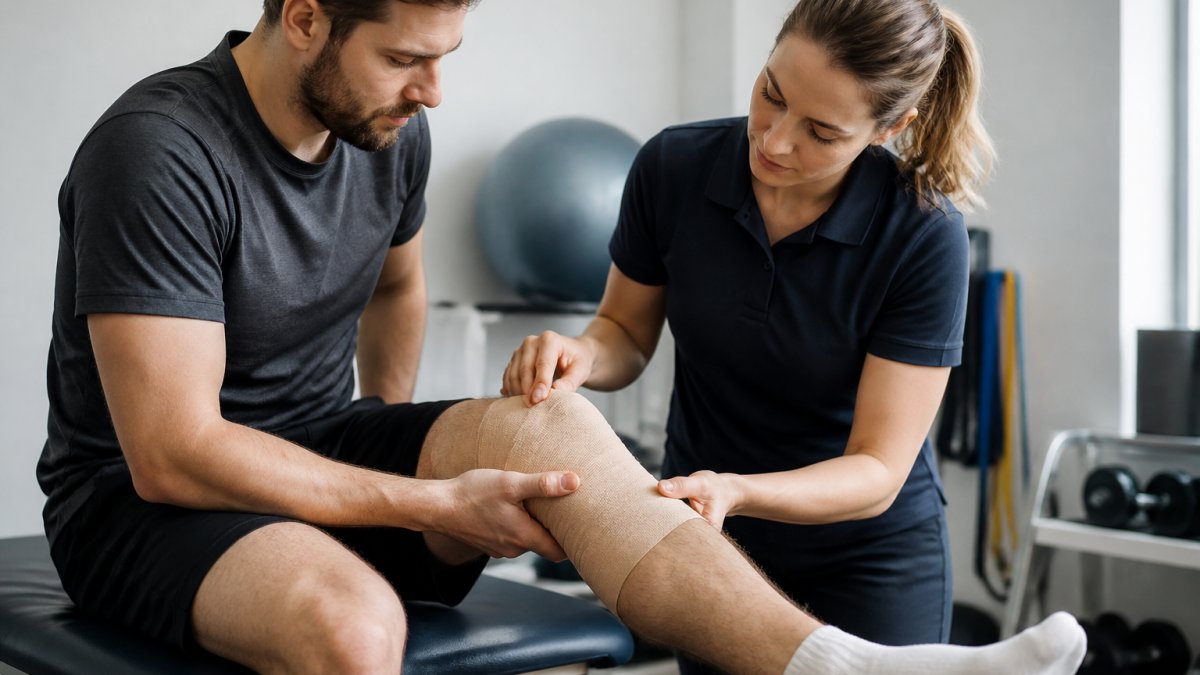
 comparison
Chiropractic vs Physical Therapy for Athletes (2026 Guide)
Table of Contents
- Chiropractic vs Physical Therapy for Athletes: How They Compare
- Key Differences in Treatment Philosophy and Techniques
- Benefits of Chiropractic for Athletes: Pain Relief and Alignment
- Sports Injury Rehabilitation Strategies: When to Choose Which
- How Long Does Sports Injury Recovery Take?
- Integrated Care: Combining Chiropractic and Physical Therapy
- Frequently Asked Questions
Last Updated: October 2, 2026
Chiropractic vs Physical Therapy for Athletes: How They Compare
The chiropractic vs physical therapy for athletes debate comes down to this: chiropractic care treats joint restrictions and alignment problems through manual therapy, while physical therapy rebuilds strength, stability, and movement patterns through exercise. Most athletes need both.
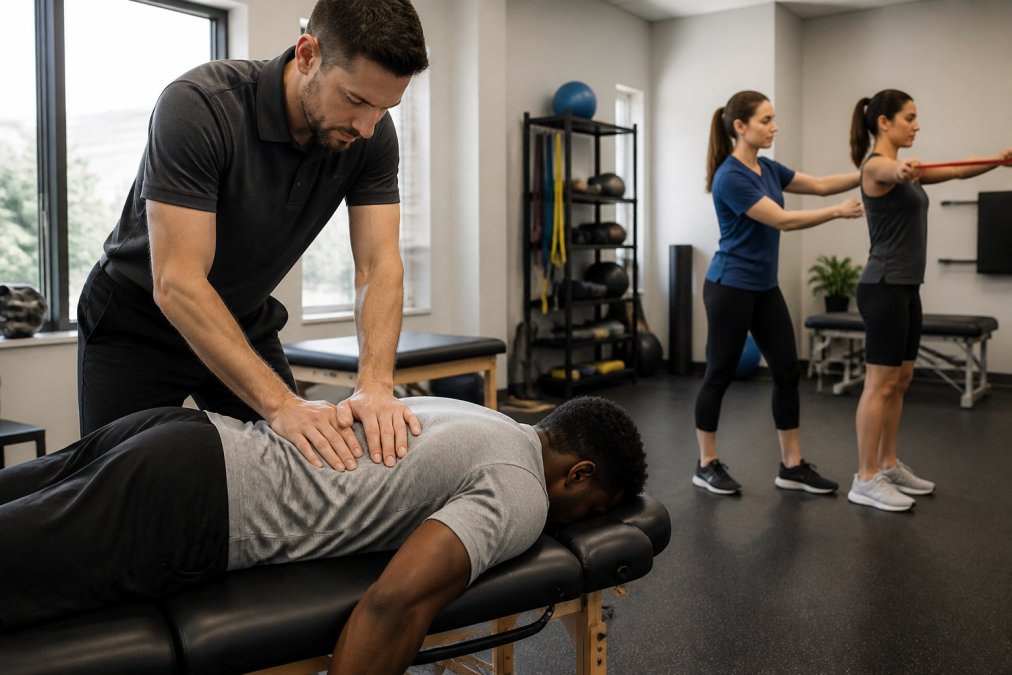
This guide from Family Chiropractic Plus breaks down where each excels and how integrated care beats either alone.
Chiropractic Care: Manual Therapy for Alignment and Mobility
Chiropractic care is a hands-on treatment approach that uses spinal manipulation and joint mobilization to restore proper alignment and range of motion. A chiropractor identifies joint restrictions, then applies controlled force to free them.
Where chiropractic shines:
- Acute injury pain relief
- Restoring range of motion after a joint locks up
- Correcting spinal alignment issues that cause compensatory pain
- Reducing inflammation around an irritated nerve
Physical Therapy: Exercise-Based Rehabilitation and Strength
Physical therapy is a rehabilitation discipline that uses therapeutic exercise, manual therapy, and functional training to rebuild strength and correct movement patterns. A physical therapist assesses biomechanics, then designs a progressive program.
What physical therapy does well:
- Post-operative recovery protocols
- Corrective exercises for chronic pain patterns
- Gait analysis and running mechanics
- Injury prevention through progressive loading
Key Differences in Treatment Philosophy and Techniques
The two fields differ in how they view the body. Chiropractors look at structural alignment first: is a joint out of position, and what is that doing to the surrounding system? Physical therapists look at function first: what movement is failing, and what strength deficit causes it?
| Factor | Chiropractic Care | Physical Therapy |
|---|---|---|
| Primary focus | Spinal alignment, joint mobility | Strength, movement patterns |
| Main techniques | Spinal manipulation, joint mobilization | Therapeutic exercise, functional training |
| Typical visit | Hands-on, often shorter | Exercise-based, often longer |
| Best for | Acute pain, joint restriction | Chronic pain, post-op recovery |
| Time to relief | Often fast | Gradual, builds over weeks |
Benefits of Chiropractic for Athletes: Pain Relief and Alignment
The clearest benefit of chiropractic for athletes is fast pain management. When a joint restriction drives your pain, releasing it can change symptoms quickly, and athletes with acute injury, nerve entrapment symptoms, or a spine that won't move freely often get back to training sooner.
Sports Injury Rehabilitation Strategies: When to Choose Which
Most guides reduce this to "acute pain goes to chiropractic, chronic pain goes to physical therapy." That rule fails athletes constantly, because the same symptom can come from three different tissues. Triage by what is actually failing: the joint, the nerve, or the muscle and tendon.
A Self-Assessment Screening Athletes Can Run Before Booking
Before your first appointment, answer three questions. The pattern points to the right starting provider.
1. What kind of pain is it?
- Sharp, pinpoint, and tied to a specific end-range position (reaching overhead, rotating, extending) suggests a joint restriction or capsular issue. Chiropractic assessment is a strong first stop.
- Burning, tingling, numbness, or pain that travels down an arm or leg suggests a nerve component. This needs a careful neurological screen, and either discipline can lead depending on whether the nerve is compressed by a joint or by surrounding tissue.
- Dull, achy, and worse the day after activity suggests a muscle, tendon, or load-tolerance problem. Physical therapy leads here.
2. When does it show up?
- Pain that appears suddenly during one movement and locks you up points to a mechanical joint event.
- Pain that builds over days or weeks and worsens with cumulative training volume points to a tissue capacity problem.
- Pain that is worst in the morning and eases with movement often points to a joint or disc issue rather than a muscle strain.
3. Does rest help?
- If a few days of reduced load resolves it, the tissue was likely overloaded and needs a graded return, which is physical therapy territory.
- If rest does not change it and the joint still will not move freely, manual therapy is the faster lever.
Matching the Discipline to the Sport
Different sports load the body in different ways, and that changes which provider should lead.
The Decision Rule
- Sudden, sharp, movement-specific pain with a locked joint → chiropractic assessment first
- Gradual onset that worsens with training volume → physical therapy assessment first
- Nerve symptoms (tingling, numbness, radiating pain) → get a proper neurological and orthopedic assessment before committing to either; the wrong choice here wastes weeks
- Post-surgical or post-immobilization → physical therapy leads the protocol, chiropractic supports once cleared
- Pain that keeps returning after treatment → the missing piece is almost always strength or load tolerance, not alignment
How Long Does Sports Injury Recovery Take?
Recovery time is not one number. It depends on which tissue is injured, how long the problem has been building, your training age, and whether the underlying cause gets addressed. What separates a fast recovery from a stalled one is tracking objective markers instead of waiting to "feel better."
Typical Timelines by Tissue
These are general patterns, not guarantees. Individual cases vary with age, load history, and how early treatment starts.
- Muscle strain (hamstring, calf, quad): Mild strains often resolve in one to three weeks. Moderate strains with a palpable defect or significant strength loss commonly take four to eight weeks before full-speed running is safe.
- Ligament sprain (ankle, knee): Grade I sprains often settle in one to three weeks. Grade II sprains typically need four to six weeks of progressive loading and proprioceptive work before cutting and pivoting are safe.
- Tendinopathy (Achilles, patellar, rotator cuff): These are the slow ones. A reactive tendon can calm down in two to six weeks with load management, but rebuilding tendon capacity to tolerate full training load commonly takes three to six months of progressive loading. Rushing this is the most common cause of recurrence.
- Joint restriction without structural damage: Often responds within one to three visits for symptom relief, but the correction only holds if strengthening follows. Without that phase, the same restriction tends to return within a few weeks.
- Post-surgical: Timelines are set by the surgeon's protocol and the procedure. Physical therapy drives the progression; chiropractic care may support once the surgical site is cleared for manual therapy.
The Metrics That Actually Tell You Where You Are
Instead of asking "does it still hurt," track numbers, the markers that tell you whether you are ready to progress.
Why the Rehab, Not the Injury, Sets the Timeline
Two athletes with the same ankle sprain can have very different recovery times. The one who completes corrective exercises, progresses load gradually, and returns only after hitting objective markers tends to get back faster and stay back. The one who returns as soon as pain fades often re-injures within weeks, resetting the clock and adding scar tissue that slows the next recovery.
Integrated Care: Combining Chiropractic and Physical Therapy
The strongest recovery protocols combine both disciplines in sequence: chiropractic care restores mobility and alignment, physical therapy builds the strength to keep it, and running them in parallel addresses cause and symptom at once.
Frequently Asked Questions
Do elite athletes use chiropractors?
Many professional and Olympic athletes include chiropractic care in their recovery routines for spinal alignment, joint mobility, and pain management. Chiropractic adjustments can address joint restrictions and muscular imbalances that build up from repetitive training. However, elite athletes typically combine chiropractic with physical therapy, strength and conditioning, and other sports medicine services. The best approach depends on the specific injury, sport demands, and individual recovery goals.
Can physical therapy and chiropractic care be used together for injury recovery?
Yes. Integrated care protocols that combine chiropractic adjustments with physical therapy exercises often produce better outcomes than either approach alone. Chiropractic care can restore joint mobility and reduce acute pain, making it easier to perform therapeutic exercises. Physical therapy then builds strength, improves functional movement, and addresses biomechanics to prevent re-injury. Many sports medicine clinics offer both services under one roof to coordinate treatment.
How do I know if I need a chiropractor or a physical therapist for my sports injury?
The choice depends on your injury type and stage of recovery. For acute pain, joint restriction, or spinal alignment issues, a chiropractor may provide faster relief through manual therapy. For chronic pain, post-operative recovery, or strength deficits, physical therapy focuses on long-term rehabilitation. A self-assessment screening or orthopedic assessment can help identify whether you need joint mobilization, therapeutic exercise, or both. A consultation with a sports medicine professional can guide the decision.
How long does sports injury recovery take with chiropractic or physical therapy?
Recovery timelines vary by injury severity, sport, and treatment approach. Minor strains may improve in 1-2 weeks with chiropractic care, while more complex injuries requiring physical therapy may take 6-12 weeks or longer. Evidence-based recovery metrics like range of motion, functional movement screens, and pain scales help track progress. Following a structured rehabilitation plan and attending consistent sessions are key to returning to performance safely.
Do chiropractors or physical therapists focus more on long-term rehabilitation?
Physical therapists generally emphasize long-term rehabilitation through corrective exercises, strength and conditioning, and functional capacity training. Chiropractors often focus on immediate pain relief, spinal alignment, and joint mobilization. However, many chiropractors also provide rehabilitation protocols and injury prevention strategies. For athletes, the most effective approach is often a combined plan that addresses both acute symptoms and underlying biomechanics.