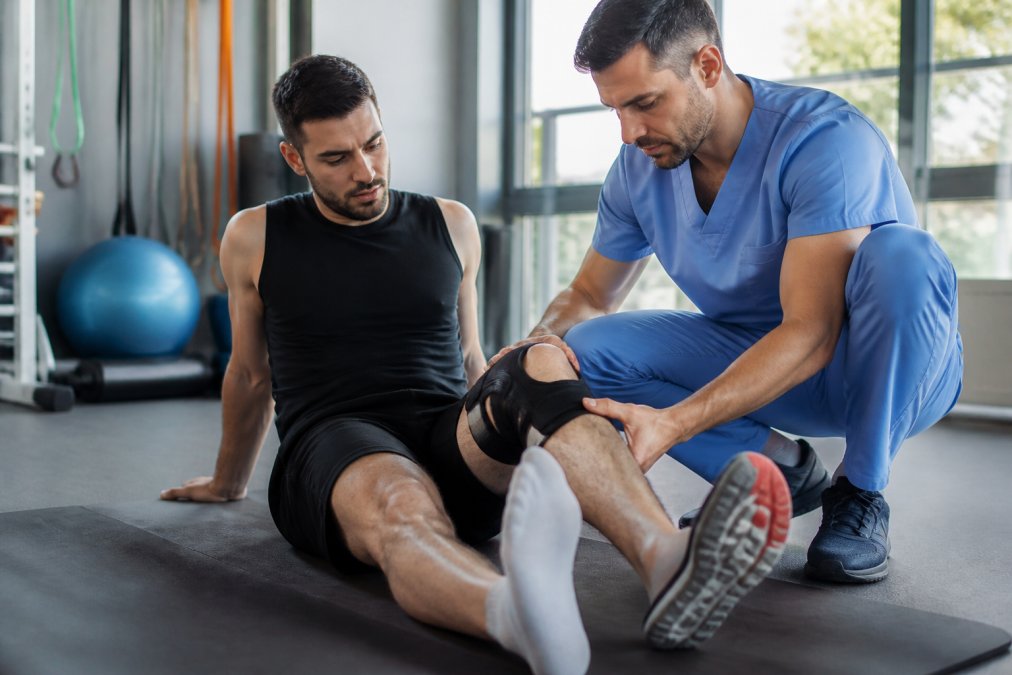
 ultimate-guide
Sports Injury Rehabilitation: A Complete Guide
Table of Contents
- What Is Sports Injury Rehabilitation?
- The Primary Benefits of Physical Therapy for Athletes
- What to Expect During Your First Physical Therapy Visit
- Phases of Sports Injury Recovery
- Sports Injury Recovery Timeline and Expectations
- Preventative Sports Rehabilitation Exercises for Long-Term Health
- Mental Health and Psychological Recovery
- Nutrition and Tissue Healing During Rehabilitation
- Frequently Asked Questions
Last Updated: September 21, 2026
What Is Sports Injury Rehabilitation?
Sports injury rehabilitation is the structured process of restoring physical function, strength, and confidence after an athlete sustains an injury. It combines therapeutic exercise, manual therapy, and progressive training to guide the body through healing while preventing complications like muscle atrophy, joint instability, and chronic pain.
Rehabilitation bridges the gap between the acute injury phase and a safe return to sport, restoring the athlete to their previous level of function or better, not just pain relief.
Effective rehabilitation addresses multiple dimensions: reducing inflammation, restoring range of motion, rebuilding strength, reestablishing proprioception and balance, and refining sport-specific movement patterns. Each phase builds on the previous one; skipping phases risks re-injury and compensation patterns.
The timeline varies dramatically depending on injury type, severity, and the athlete's commitment to the process. A minor ankle sprain might require 4-6 weeks of focused rehabilitation. A torn anterior cruciate ligament (ACL) or significant muscle tear can demand 6-12 months or longer. The key is following a structured protocol rather than rushing back based on pain alone.
The Primary Benefits of Physical Therapy for Athletes
Sports injury rehabilitation delivers measurable improvements across multiple dimensions of athletic function, addressing root causes of injury and building resilience against future problems.
Pain reduction and inflammation management occur through controlled movement, manual therapy, and targeted interventions that reduce swelling and promote cellular metabolism, creating a foundation for progressive rehabilitation.
Restoration of functional capacity is where athletes notice the real difference. Physical therapy systematically restores full range of motion through progressive flexibility training and joint mobility work, preventing compensatory patterns that create secondary injuries.
Prevention of re-injury and long-term joint health depends on building genuine strength and neuromuscular control, not just returning to baseline. Rehabilitation that includes proprioceptive training, balance work, and sport-specific conditioning reduces the likelihood of re-injury by 20-40% compared to athletes who skip structured rehabilitation. This benefit compounds over a career; proper rehabilitation now protects joint health decades later.
Faster, safer return to performance happens when rehabilitation follows a logical progression. Athletes who complete all phases of rehabilitation typically return to sport with greater confidence and lower re-injury rates than those who attempt early return based on pain levels alone.
What to Expect During Your First Physical Therapy Visit
Your initial visit is an assessment. The clinician's job is to understand your injury, your goals, and barriers to full recovery.
Expect a detailed history covering injury mechanism, current symptoms, sport demands, and return-to-competition timeline. The therapist will identify what movements worsen or improve symptoms and any previous similar injuries.
The physical examination assesses range of motion, strength, stability, and movement quality through injury-specific tests to identify which tissues need attention and which movement patterns require correction.
Expect honest conversation about recovery phases, visit frequency, home exercise requirements, and realistic timelines. If you hear "you'll be back to sport in two weeks," that's a red flag, genuine rehabilitation takes time.
Your first visit typically concludes with an initial treatment plan and the beginning of your rehabilitation protocol. This might include manual therapy to address immediate restrictions, initial therapeutic exercise, and education about what to avoid during the acute phase. You'll leave with home exercises and clear instructions about activity modification.
Phases of Sports Injury Recovery
Effective rehabilitation follows a logical progression through five distinct phases. Each phase has specific goals, and attempting to skip ahead typically leads to setbacks.
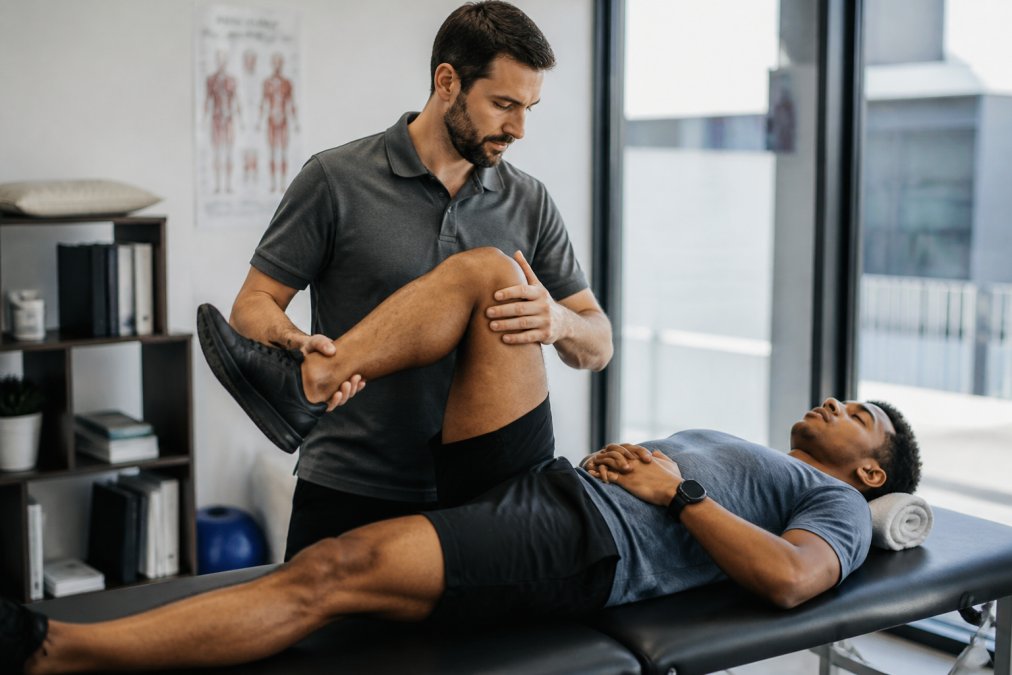
Phase 1: Acute Injury and Inflammation Management
The first 48-72 hours after injury are critical. The body's inflammatory response is protective, bringing immune cells and initiating healing. The goal is managing inflammation without suppressing it entirely.
Rest, ice, compression, and elevation (RICE) remain foundational. Early controlled movement within pain-free ranges accelerates healing by promoting blood flow and preventing stiffness.
Ice therapy, compression, and elevation reduce swelling. Manual therapy techniques address muscle guarding and maintain joint mobility in unaffected ranges.
This phase typically lasts 1-2 weeks, though severe injuries may require longer. The transition to Phase 2 happens when swelling begins to decrease and the athlete can tolerate slightly more demanding movement.
Phase 2: Restoring Range of Motion and Flexibility
Once acute inflammation is controlled, the focus shifts to restoring movement. Without deliberate work to maintain and restore range of motion, permanent restrictions develop.
Flexibility training progresses from passive to active-assisted to active stretching. Joint mobility work addresses the injured structure and compensatory restrictions in neighboring joints, for example, ankle injuries often create hip and knee restrictions.
Phase 3: Building Strength and Muscle Endurance
Rebuilding strength requires progressive overload through resistance exercise that systematically increases in difficulty as tissue adapts.
Phase 4: Improving Proprioception and Balance
Proprioception, the body's ability to sense its position in space, is damaged by injury. Retraining proprioceptive pathways is essential for preventing re-injury and restoring athletic confidence.
Phase 5: Sport-Specific Training and Return to Performance
The final phase bridges rehabilitation and sport. Training intensity, volume, and complexity progressively increase to match competition demands.
Sports Injury Recovery Timeline and Expectations
Recovery timelines vary dramatically based on injury type, severity, and individual factors like age, overall fitness, and compliance with rehabilitation.
Preventative Sports Rehabilitation Exercises for Long-Term Health
The best injury is the one that never happens. Preventative sports rehabilitation exercises build resilience and reduce injury risk throughout an athletic career.
Mental Health and Psychological Recovery
Injury creates psychological challenges that are often overlooked in rehabilitation planning. Loss of identity, fear of re-injury, anxiety about performance, and depression are common responses to injury.
Nutrition and Tissue Healing During Rehabilitation
Nutrition directly influences healing speed and rehabilitation outcomes. The body requires specific nutrients to repair damaged tissue, reduce inflammation, and support the increased metabolic demands of recovery.
| Recovery Phase | Primary Goals | Typical Duration | Key Activities |
|---|---|---|---|
| Phase 1: Acute | Reduce inflammation, prevent stiffness | 1-2 weeks | Rest, ice, compression, early controlled movement |
| Phase 2: Range of Motion | Restore full joint movement | 2-4 weeks | Stretching, joint mobility, light therapeutic exercise |
| Phase 3: Strength | Build muscle endurance and strength | 4-8 weeks | Progressive resistance exercise, neuromuscular control |
| Phase 4: Proprioception | Restore balance and body awareness | 4-6 weeks | Balance training, unstable surface work, sport-specific drills |
| Phase 5: Return to Sport | Match competition demands | 2-4 weeks | High-intensity training, technique refinement, performance testing |
Frequently Asked Questions
What is the primary purpose of sports injury rehabilitation?
Sports injury rehabilitation restores functional movement, reduces pain, and prepares athletes to return safely to their sport. The goal extends beyond pain relief to rebuild strength, flexibility, proprioception, and sport-specific skills. A comprehensive rehabilitation protocol addresses tissue healing, prevents muscle atrophy, and reduces the risk of re-injury. This structured approach ensures athletes regain peak performance while protecting long-term joint health.
What are the five stages of rehabilitation in sports medicine?
The five phases progress from managing acute inflammation through full return to sport. Phase 1 focuses on pain management and inflammation reduction. Phase 2 restores range of motion and flexibility through therapeutic exercise. Phase 3 rebuilds strength and muscle endurance. Phase 4 develops proprioception and neuromuscular control through balance training. Phase 5 involves sport-specific technique refinement and conditioning to achieve peak performance. Each phase builds on the previous one and typically overlaps as recovery progresses.
How long does sports injury recovery typically take?
Recovery timelines vary widely depending on injury severity, type, and individual factors like age and overall fitness. Minor soft tissue injuries may require 2-6 weeks, while moderate injuries often need 6-12 weeks. Significant injuries or post-surgical recovery can extend 3-6 months or longer. Factors affecting timeline include compliance with rehabilitation protocols, nutrition, sleep quality, and stress levels. A physical therapist can provide a personalized sports injury recovery timeline after evaluating your specific condition.
Can preventative sports rehabilitation exercises actually prevent future injuries?
Yes. Preventative sports rehabilitation exercises strengthen stabilizer muscles, improve proprioception, and correct biomechanical imbalances that commonly lead to injury. Regular flexibility training, neuromuscular control work, and sport-specific conditioning reduce injury risk significantly. These exercises enhance joint stability, improve oxygen delivery to tissues, and build resilience in muscles and connective tissue. Even athletes without current injuries benefit from preventative programs that address weaknesses and movement patterns specific to their sport.
What should I expect during my first physical therapy visit?
Your first session includes a comprehensive assessment of your injury, medical history, and functional limitations. The therapist will evaluate your range of motion, strength, balance, and pain levels through hands-on testing and movement analysis. You'll discuss your goals, timeline, and what to expect during your first physical therapy visit moving forward. The therapist will explain your rehabilitation protocol, demonstrate initial therapeutic exercises, and address any questions. This visit establishes your baseline and creates a personalized treatment plan tailored to your needs.
What modalities are typically used in sports injury rehabilitation?
Physical therapy combines multiple modalities to support tissue healing and functional recovery. Manual therapy techniques address restrictions in joint mobility and soft tissue. Therapeutic exercise builds strength and proprioception. Modalities like ultrasound therapy and electrical stimulation can reduce pain and promote cellular metabolism. Ice and heat application manage inflammation. Progressive resistance training develops muscle endurance. Your therapist selects modalities based on your injury phase, tissue healing stage, and rehabilitation goals to optimize your recovery.
Is nutrition important for sports injury rehabilitation?
Nutrition plays a critical role in tissue repair and recovery. Adequate protein supports muscle rebuilding and prevents muscle atrophy. Vitamins and minerals like vitamin C and zinc enhance cellular metabolism and tissue healing. Anti-inflammatory foods may help manage inflammation reduction during early recovery phases. Proper hydration supports blood flow and oxygen delivery to injured tissues. Consultation with a qualified nutritionist or healthcare provider can optimize your diet to support your rehabilitation protocol and accelerate functional recovery.