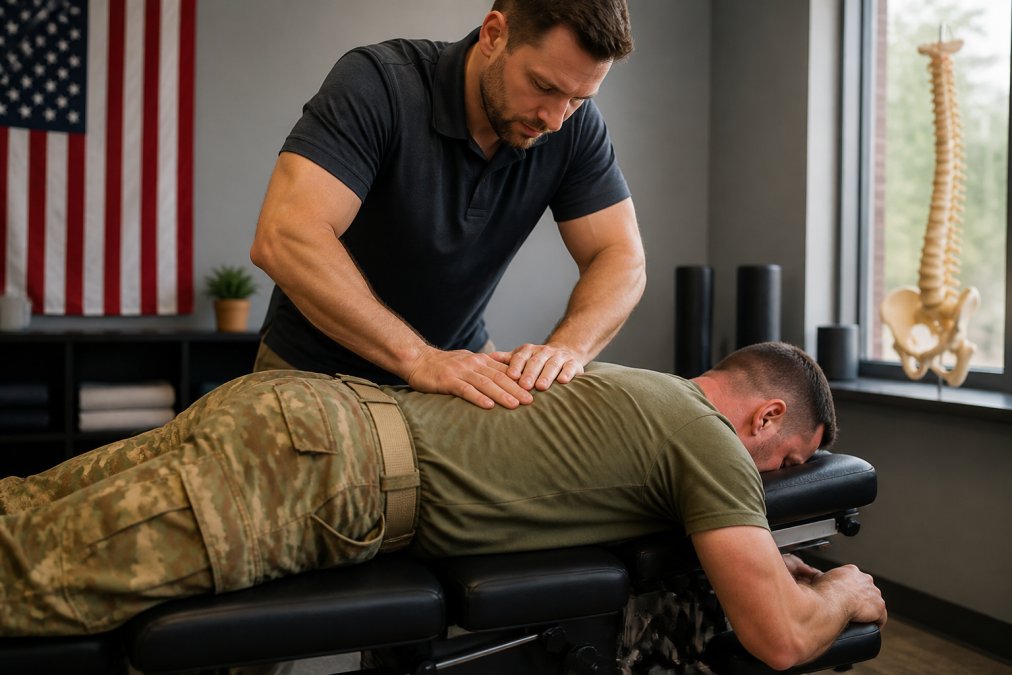
 how-to
Chiropractic for Veterans: A How-To Guide
Table of Contents
- Why Chiropractic Care Matters for Veterans with Chronic Back Pain
- Chiropractic as a Tier 1 Integrative Pain Treatment
- How to Get a VA Referral for a Chiropractor
- VA Community Care Chiropractic: Accessing Care Within the VHA System
- Non-Pharmacological Pain Management for Veterans Beyond the Adjustment
- What to Expect: Common Musculoskeletal Conditions Treated and Recovery Timeline
- Maintaining Results: Post-Treatment Care and Long-Term Pain Management
- Frequently Asked Questions
Last Updated: September 25, 2026
Why Chiropractic Care Matters for Veterans with Chronic Back Pain
Chronic back pain affects many veterans long after service ends, impacting daily life. Family Chiropractic Plus works with veterans to find solutions that go beyond temporary relief.
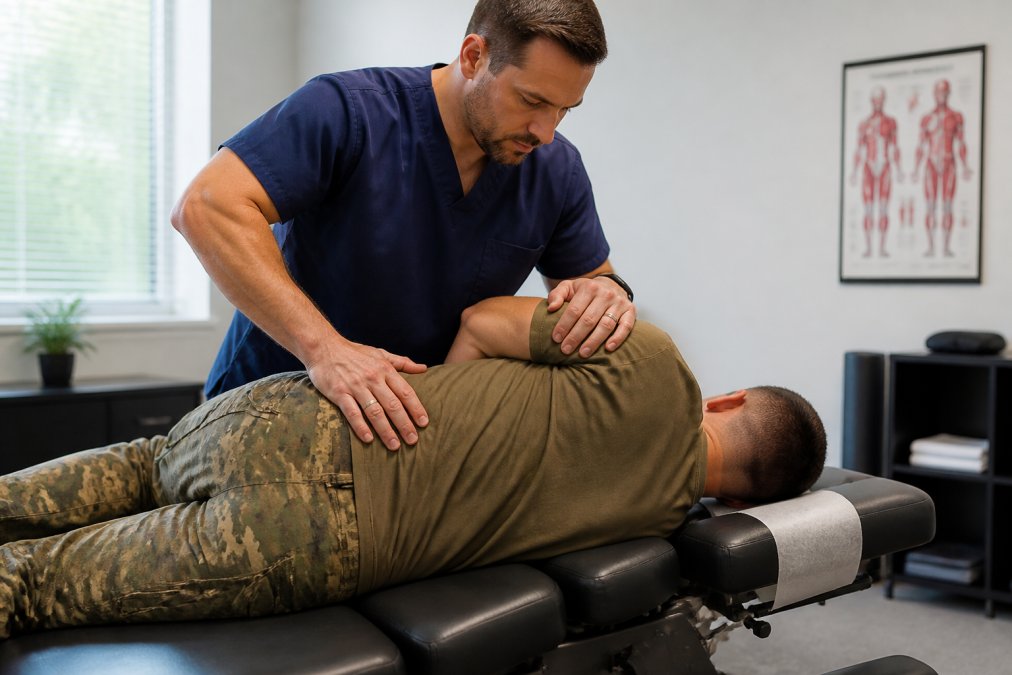
Chiropractic for veterans is now recognized within the Veterans Health Administration, focusing on addressing root causes rather than masking symptoms, regaining mobility, reducing medication dependence, and improving quality of life.
Untreated chronic back pain reduces mobility, affects work and relationships, and increases emotional strain. Non-pharmacological approaches offer an alternative path forward.
Chiropractic as a Tier 1 Integrative Pain Treatment
The VA has integrated chiropractic care as a first-line treatment for musculoskeletal pain, positioning it alongside conventional medical care.
This tier 1 status means chiropractic for veterans is considered legitimate, evidence-based treatment aligned with non-operative, opioid-sparing pain management. Both conventional medicine and chiropractic can work together.
Integrative pain management combines spinal manipulation, therapeutic exercise, and patient-centered care to address the whole person.
Clinical outcomes show meaningful improvements in pain intensity and functional mobility, which is why the VA expanded access to chiropractic services for eligible veterans.
How to Get a VA Referral for a Chiropractor
Getting a VA referral involves a clear step-by-step process that differs depending on whether your facility has in-house chiropractors or uses community care partnerships.
Step 1: Schedule an Appointment with Your Primary Care Provider
Contact your VA primary care physician (PCP) for an appointment. Bring specific information about your pain: location, duration, triggers, and impact on daily activities. Document previous treatments and outcomes. This establishes your medical history and supports your need for chiropractic evaluation.
If you don't have an assigned PCP, contact your VA facility's patient advocate or call the main line to request one. This step is mandatory; you cannot self-refer to chiropractic care within the VA system.
Step 2: Request Chiropractic Care Explicitly
Ask your provider directly about chiropractic treatment. Use clear language: "I'm interested in chiropractic care for my chronic back pain." Your provider will assess candidacy based on diagnosis, imaging, and overall health. Complementary approaches such as massage for back pain often serve as effective adjuncts to chiropractic adjustments when managing long-term musculoskeletal discomfort.
Be specific about your goals, reducing medication, improving mobility, or returning to activities, so your provider can determine if chiropractic is the right next step.
Step 3: Understand Your Referral Options
Your provider will place a referral in your VA electronic health record. You'll then learn which pathway applies:
- VA In-House Chiropractic: Schedule directly with VA staff chiropractors (wait times typically 2-3 weeks).
- VA Community Care Network (CCN): The VA contracts with private chiropractors in your area and covers the cost.
Ask your provider which applies to you.
Step 4: If Referred to Community Care, Request Placement
If referred to community care, ask about provider distance, veteran experience, VA authorization acceptance, and availability. If no providers are available nearby, contact your VA community care coordinator to expand the search.
Step 5: Schedule Your First Appointment
Contact the provider to schedule with your referral number ready. Mention it's a VA referral and provide your VA health ID. Confirm appointment details, required documents, and parking. Most VA-affiliated chiropractors accommodate veterans within 1-4 weeks.
What Happens If Your Referral Is Denied
If your provider declines a referral, ask for the clinical reason in writing, request a second opinion, contact your patient advocate if needed, and ask about alternative pain management options.
Timeline Expectations
The entire process typically takes 2-4 weeks from initial PCP appointment to your first chiropractic visit. Rural veterans may experience longer delays. If waiting beyond 4 weeks, contact your VA facility's chiropractic or community care department.
VA Community Care Chiropractic: Accessing Care Within the VHA System
VA community care chiropractic extends access when VA facilities lack in-house providers. The VA maintains networks of vetted chiropractors, covers the cost, and coordinates care through your primary care team. This benefits rural veterans and those with scheduling constraints.
What to Expect
Your first visit includes a thorough evaluation of military history, pain patterns, and previous treatments. Subsequent visits focus on spinal manipulation, exercise instruction, and progress monitoring (20-30 minutes). Most veterans see improvement within a typical timeframe.
Coordinating with Your VA Provider
Keep your VA primary care team informed about your chiropractic treatment. Share progress notes and any changes in your condition. This coordination ensures your entire care team works toward the same goals.
Non-Pharmacological Pain Management for Veterans Beyond the Adjustment
Modern chiropractic for veterans incorporates multiple evidence-based techniques beyond spinal manipulation.
Therapeutic Exercise and Rehabilitation
Your chiropractor teaches strengthening exercises targeting spinal support muscles.
Nutritional Counseling and Lifestyle Support
Manual Therapy Techniques
Ergonomic Assessment
What to Expect: Common Musculoskeletal Conditions Treated and Recovery Timeline
Chronic low back pain, neck pain, shoulder pain, knee problems, and headaches are common conditions responding well to chiropractic treatment.
Typical Recovery Timeline
| Timeframe | Expected Progress | Typical Frequency |
|---|---|---|
| Weeks 1-2 | Initial pain reduction, improved mobility | 2-3 visits per week |
| Weeks 3-6 | Noticeable functional improvement, reduced medication | 1-2 visits per week |
| Weeks 7-12 | Return to most activities, sustained pain relief | 1-2 visits per week |
| Month 4+ | Maintenance and prevention | Monthly or as needed |
Factors Affecting Recovery
Maintaining Results: Post-Treatment Care and Long-Term Pain Management
Long-term success requires ongoing attention and preventative strategies. Most relapses occur when veterans abandon the habits that created improvement.
Understanding the Maintenance Phase
Maintenance Visit Frequency
Home Exercise Consistency: The Foundation of Long-Term Results
Core Exercises for Chronic Back Pain
Progression and Modification
Stretching and Flexibility
Ergonomic Habits and Posture
Lifestyle Factors: Sleep, Stress, and Activity
- Sleep: Aim for 7-9 hours nightly. Poor sleep increases pain sensitivity and slows healing. If you struggle with sleep, discuss it with your VA provider; sleep apnea and other conditions are common in veterans and treatable.
- Stress management: Chronic stress increases muscle tension and pain perception. Find practices that work for you: meditation, deep breathing, time in nature, hobbies, or social connection. Even 10 minutes daily makes a difference.
- Physical activity: Stay active within your pain limits. Walking, swimming, cycling, and yoga all support long-term pain management. Aim for 150 minutes of moderate activity weekly, as recommended by the Department of Health and Human Services.
- Nutrition: Inflammatory foods (processed foods, excess sugar, refined carbohydrates) can worsen pain. Anti-inflammatory foods (fatty fish, leafy greens, berries, nuts) support healing. Your chiropractor or VA nutritionist can provide specific guidance.
When to Seek Additional Care
- Pain returning after months of relief: Schedule a visit. Your chiropractor can identify what changed (posture, activity, stress) and address it before pain worsens.
- New pain in different areas: Don't assume it's unrelated. Compensatory pain patterns are common. A new area of pain often stems from changes in how you move to protect the original injury site.
- Significant life changes: New job, increased activity, injury, or major stress may require temporary increased treatment frequency. Tell your chiropractor about these changes.
- Inability to do home exercises: If pain or other factors prevent you from exercising, increase office visits temporarily. Your chiropractor can provide in-office alternatives or modify your routine.
- Medication changes: If your VA provider changes your pain medication or adds new medications, mention it to your chiropractor. Some medications affect muscle function or healing.
Tracking Your Progress
Frequently Asked Questions
Does the VA cover chiropractic care for veterans?
Yes, the VA covers chiropractic care for service-connected conditions through both VA medical centers and VA community care networks. Eligibility and coverage scope depend on your disability rating and service-connected diagnosis. Contact your VA primary care provider or local VA medical center to confirm your specific coverage and discuss whether chiropractic care is appropriate for your condition.
How do I get a referral for chiropractic services through the VA?
Start by scheduling an appointment with your VA primary care provider. Discuss your chronic back pain and ask about chiropractic care as a treatment option. If your provider agrees it's appropriate for your condition, they will submit a referral through the VA system. For service-connected pain, the referral process is typically streamlined; for non-service-connected conditions, availability may depend on your facility and priority.
Can chiropractic adjustments help with chronic back pain?
Spinal manipulation and chiropractic adjustments have shown clinical benefits for chronic low back pain when combined with therapeutic exercise and patient-centered care. Evidence-based practice supports chiropractic as a non-operative care option that can reduce pain intensity and improve functional mobility. Results vary by individual and condition severity; a qualified chiropractor will assess your specific situation during a consultation.
What non-pharmacological pain management options work alongside chiropractic care?
Effective non-pharmacological approaches include therapeutic exercise, manual therapy, ergonomic adjustments, nutritional counseling, and lifestyle modifications. Many veterans benefit from combining spinal adjustment with physical rehabilitation and stress management techniques. This opioid-sparing approach supports long-term pain reduction and improved daily living activities without reliance on medication.