 how-to
Schedule Massage Therapy: A 2026 Guide
Table of Contents
- Why Schedule Massage Therapy for Your Health
- Chiropractic Treatment for Car Accident Injuries and Massage
- How to Prepare for a Massage Therapy Session
- Massage Therapy Modalities and What Each Offers
- Massage Therapy Insurance Coverage in Florida
- Booking Your Appointment: What to Know
- Post-Massage Recovery and Aftercare
- Frequently Asked Questions
Last Updated: September 27, 2026
Why Schedule Massage Therapy for Your Health
Scheduling massage therapy is one of the most direct ways to address muscle tension, reduce pain, and support your body's recovery from injury or stress. Whether you're recovering from a car accident, managing chronic neck and back pain from desk work, or seeking to enhance athletic performance, massage therapy works by releasing tight muscles, improving circulation, and promoting relaxation at a physiological level.
Many people put off scheduling massage therapy because they're unsure what to expect or whether it will actually help their specific situation. The truth is that therapeutic massage has measurable effects on pain management, range of motion, and overall well-being. At Family Chiropractic Plus, we develop customized treatment plans that go beyond temporary relief, addressing the root causes of discomfort and supporting long-term healing.
The key is understanding what type of massage therapy you need, how to prepare for your appointment, and what happens after your session ends. This guide walks you through every step of scheduling massage therapy, from choosing the right modality to managing your recovery afterward.
Chiropractic Treatment for Car Accident Injuries and Massage
Car accidents create complex injuries that often involve multiple muscle groups, joint misalignment, and soft tissue damage. Massage therapy paired with chiropractic treatment addresses both the structural damage and the muscular compensation patterns your body develops after impact.
When you're hit in a car accident, your body's protective response is to tighten muscles around the injury site. This creates a cycle: tight muscles restrict movement, which limits circulation, which slows healing. Chiropractic treatment for car accident injuries realigns joints and removes nerve interference, while massage therapy releases the muscular tension that develops as a result.
The combination is more effective than either approach alone. A chiropractor adjusts your spine and joints back into proper alignment. A licensed massage therapist then works on the muscles that have been holding tension to protect those joints. Together, they restore function faster and reduce the risk of chronic pain developing months or years after the accident.
Many accident victims delay seeking care because they don't feel pain immediately, adrenaline masks injury in the first hours and days. By the time pain appears, scar tissue has already started forming. Scheduling massage therapy early, as part of a comprehensive chiropractic treatment plan, prevents this progression.
How to Prepare for a Massage Therapy Session
Preparation matters more than most people realize. What you do before your appointment directly affects how much benefit you get from the session and how your body responds afterward.
Start by arriving 10-15 minutes early. This gives you time to fill out a client intake form that documents your medical history, current pain points, injuries, and any medications you're taking. Be honest about everything, your therapist needs to know if you've had recent surgery, have circulation issues, or are pregnant. These details change how they approach your session.
Wear comfortable, loose clothing that you can easily remove. You'll undress for the massage and be covered with a sheet, so wear something that doesn't require you to struggle out of tight jeans or complicated layers. Avoid heavy meals 2-3 hours before your appointment, your digestive system shouldn't be working hard while you're trying to relax.
Hydration is critical. Drink water before your appointment, but not so much that you need to use the bathroom during the session. Massage releases metabolic waste from your muscles, and being hydrated helps your body flush those toxins more efficiently.
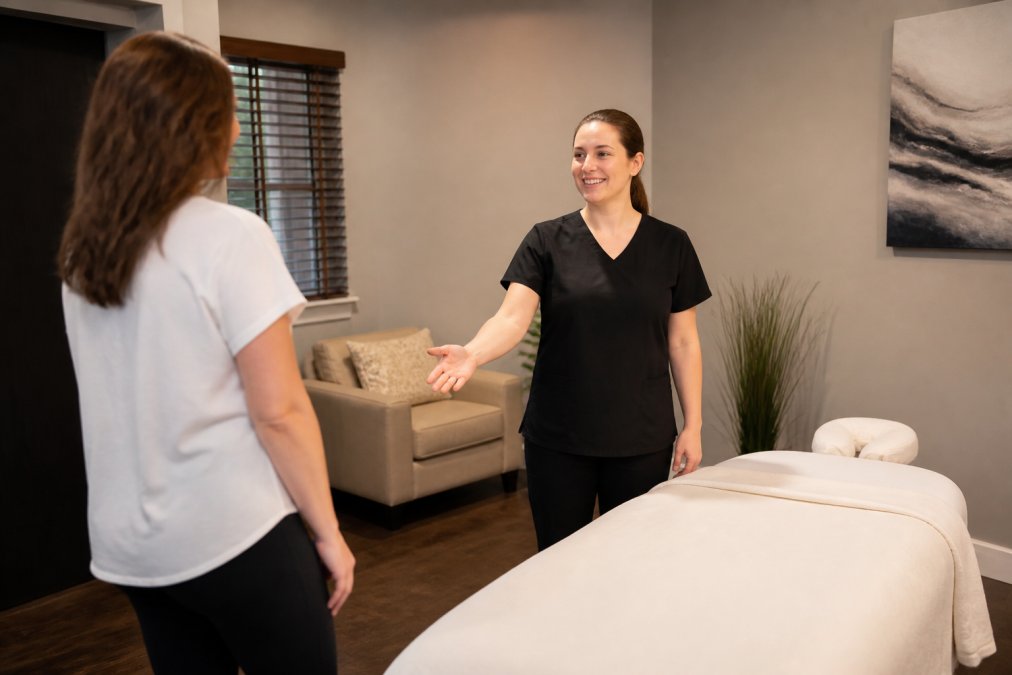
Come with realistic expectations about what will happen. A therapeutic massage isn't a spa experience meant purely for relaxation, though relaxation is part of it. Your therapist will ask questions about your pain, test your range of motion, and may apply pressure that feels uncomfortable at times. This discomfort is different from pain; it's the sensation of tight muscles being released. Communicate with your therapist if something doesn't feel right, but understand that some intensity is necessary for the treatment to work.
Avoid scheduling your massage right before an important meeting or event. You'll likely feel relaxed and slightly drowsy afterward, your body will have released tension that it's been holding for weeks or months. Let that happen. Don't fight it by immediately jumping into high-stress activities.
Massage Therapy Modalities and What Each Offers
Not all massage therapy is the same. Different modalities target different problems, and choosing the right one depends on your specific injury or condition.
Deep tissue massage focuses on the deeper layers of muscle and fascia. This is the most common choice for people recovering from car accidents, managing chronic pain, or dealing with muscle tension from sedentary work. A licensed massage therapist using deep tissue techniques applies sustained pressure to release knots and restrictions. It's intense, often uncomfortable during the session, but highly effective for structural problems.
Swedish massage uses longer, flowing strokes and is gentler than deep tissue. It's better for general relaxation and improving circulation without the intensity. Many people use Swedish massage as maintenance between deeper work, or when they're too sensitive for more aggressive treatment.
Trigger point therapy targets specific knots in muscles that refer pain to other areas of your body. A therapist applies sustained pressure to these trigger points until the muscle releases. This modality is excellent for headaches, neck pain, and referred pain patterns that don't respond to general massage.
Myofascial release addresses the connective tissue (fascia) that surrounds muscles. Fascia can become restricted and limit your range of motion. A therapist uses sustained pressure and slow movements to release these restrictions. This works well for people with limited mobility or chronic tension patterns.
Sports massage combines several techniques to prepare muscles for activity or recover from athletic performance. Athletes use this modality to improve range of motion, prevent injury, and speed recovery between training sessions.
Prenatal massage uses modified positioning and gentle techniques safe for pregnant clients. It reduces back pain, improves circulation, and supports relaxation during pregnancy.
Reflexology applies pressure to specific points on the feet that correspond to organs and systems throughout your body. While less common for injury recovery, some people find it helpful for overall wellness and stress relief.
The right modality depends on your specific condition. A therapist trained in multiple techniques will recommend what's best for you during your intake consultation.
Massage Therapy Insurance Coverage in Florida
Insurance coverage for massage therapy varies significantly based on your plan, your injury, and whether your treatment is prescribed by a doctor or chiropractor.
Many insurance plans cover massage therapy when it's prescribed as part of treatment for a specific injury, particularly car accident injuries. The key is that your massage must be medically necessary, not elective.
Booking Your Appointment: What to Know
Scheduling massage therapy should be straightforward, but knowing what to expect makes the process smoother.
Post-Massage Recovery and Aftercare
What happens after your massage therapy session is just as important as the session itself. Your muscles have been worked, metabolic waste has been released, and your nervous system is in a relaxed state. How you manage the next 24-48 hours determines how much benefit you keep.
Frequently Asked Questions
What should I expect during my first massage therapy appointment?
Your first appointment includes a client intake form where you discuss your health history, current pain or tension, and treatment goals with your licensed massage therapist. The therapist will explain the massage modality they recommend and answer any questions before the session begins. During the massage, you'll lie on a padded table in a private room. The therapist uses soft tissue manipulation, pressure, and stretching techniques tailored to your needs. Most sessions last 30 to 60 minutes. You'll be draped for privacy throughout, with only the area being treated exposed. After the session, the therapist may discuss aftercare recommendations and schedule your next appointment if needed.
Is massage therapy covered by insurance for car accident injuries in Florida?
Massage therapy coverage depends on your specific insurance plan and the circumstances of your injury. Some health insurance policies cover therapeutic massage when prescribed by a physician or chiropractor as part of rehabilitation following a car accident. Florida's workers' compensation may also cover massage therapy if your injury occurred at work. Coverage varies by plan, so contact your insurance provider directly with your policy number to confirm whether massage therapy is a covered benefit and what documentation you'll need from your healthcare provider. Family Chiropractic Plus can help coordinate with your insurance during your consultation.
What are the benefits of combining chiropractic care with massage therapy?
Combining chiropractic adjustments with massage therapy addresses pain and dysfunction from multiple angles. Chiropractic treatment focuses on spinal alignment and joint mobility, while massage therapy reduces muscle tension, improves circulation, and supports soft tissue healing. Together, they enhance range of motion, accelerate recovery from injuries like car accident trauma, and provide more effective pain management than either treatment alone. This integrated approach is especially valuable for chronic neck and back pain, sports injuries, and post-accident rehabilitation. A customized treatment plan that includes both modalities helps restore function and prevent future injury.
How do I choose the best massage therapist for injury recovery?
Look for a licensed massage therapist with experience treating your specific condition, whether that's car accident injury, chronic pain, or sports-related damage. Ask about their certifications and training in relevant modalities like deep tissue massage, trigger point therapy, or myofascial release. A good therapist takes time during your intake to understand your injury history and goals, explains their treatment plan clearly, and adjusts pressure and techniques based on your feedback. Check for professional standards, client satisfaction ratings, and whether they work with a chiropractor or physician to coordinate your care. Family Chiropractic Plus employs certified practitioners with extensive experience in injury rehabilitation and personalized treatment planning.